
Hello, I’m Allen. For over 20 years, I’ve been at the helm of a factory in China with seven bustling production lines. We specialize in manufacturing the tool storage equipment that professionals rely on—from robust tool trolleys to expansive tool cabinets. I work daily with business owners like Mark Thompson from the USA, helping them find the best tool solutions for their hardware retail stores and automotive workshops. Through these decades of experience, I’ve learned that while the traditional tool box is an icon of the trade, it isn't always the best fit for every situation.
Whether you are a beginner just starting your DIY journey or a seasoned pro looking to upgrade your workshop, you might find that a standard hand-carry box is limiting. It gets heavy, it gets messy, and it’s hard to organize. This article is worth reading because I’m going to walk you through the most effective alternatives that really work. We will explore everything from the mobile tool cart to the wall-mounted pegboard, helping you find the perfect system to keep your tools organized and your workflow efficient.
Why Might You Need a Tool Box Alternative for Your Workshop?
The classic tool box has been a staple for over a century. It's great for carrying a hammer, a few screwdrivers, and a wrench to a quick repair job. However, as your tool collection grows, the standard box hits a wall. I see this often with my clients; they start with a small metal box, but soon they acquire power tools like a circular saw, a drill, and a router. Suddenly, that box is overflowing. You have to dig past three layers of pliers just to find a tape measure. It becomes a black hole rather than an organizer.
Furthermore, a heavy tool box is a strain to lug around a job site or even just around a large home garage. It lacks compartment space for specialized equipment. If you are serious about your DIY projects or your profession, you need a system that offers better accessibility. An alternative solution can provide storage solutions that separate your nuts and bolts from your larger tools, ensuring that exactly what you need is always ready. Efficiency is the name of the game, and sometimes, the box just holds you back.
Are Tool Bags the Best Tool for Portable Storage Solutions?
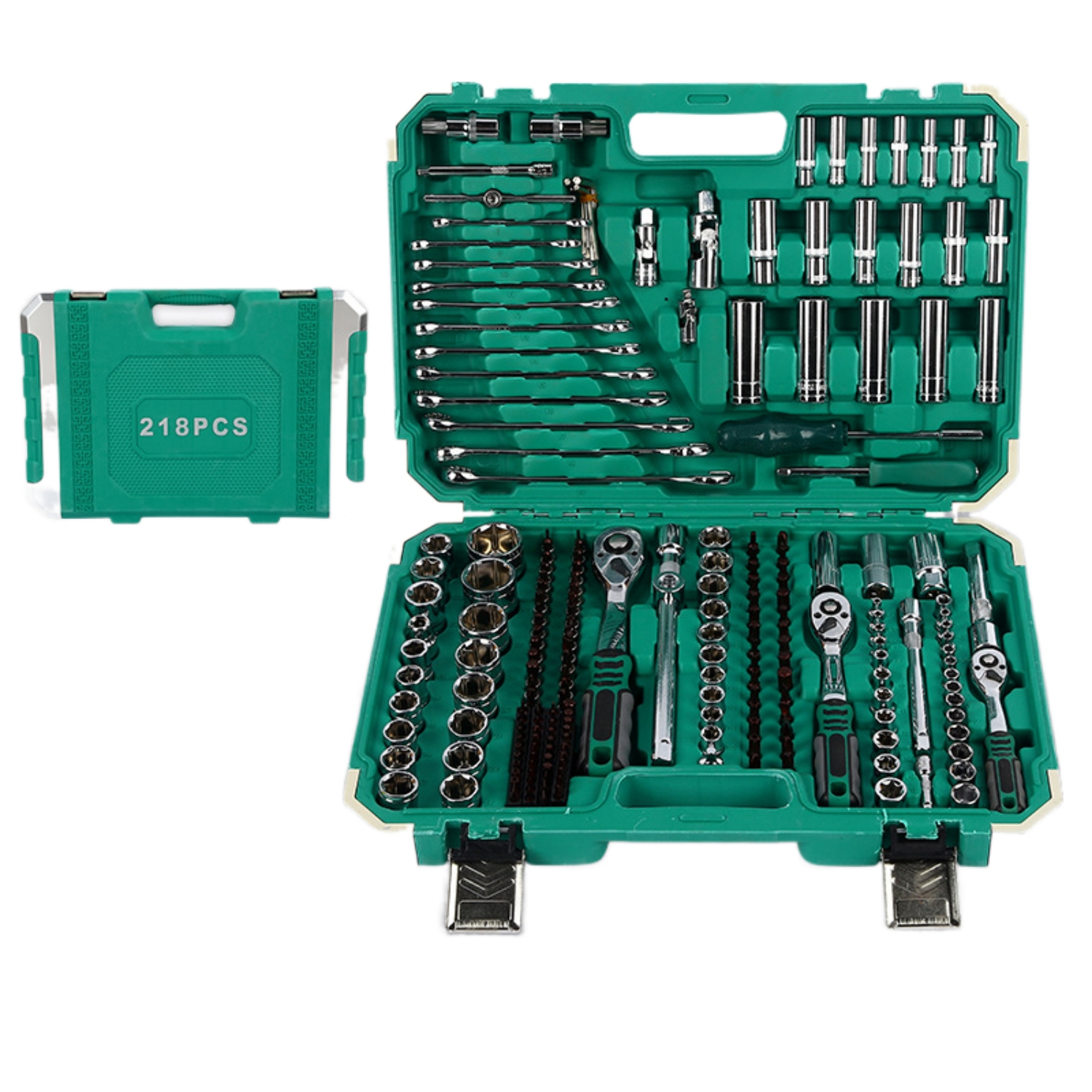
For those who prioritize mobility, tool bags are a fantastic alternative to the rigid tool box. Unlike a steel box, a bag is lightweight and flexible. In my factory, we often discuss the ergonomics of tool transport. A high-quality tool bag usually comes with a padded shoulder strap, which distributes the weight much better than a single plastic or metal handle. This makes it much easier to carry a lot of tools up a ladder or into a cramped crawlspace.
Tool bags often feature dozens of vertical pockets, both inside and out. This keeps your screwdrivers and pliers upright and visible, rather than jumbled in a pile. For a technician who needs to carry specific hand tools to a service call, a bag is often the best tool box option. They are made from durable canvas or ballistic nylon, meaning they won't dent or rust like a cheapo metal box might. If you work in HVAC or plumbing, where you move from room to room constantly, tool bags are a superior choice.
Why Choose a Tool Cart Instead of a Stationary Chest?
If you have a garage or workshop, a tool cart is arguably the single most versatile piece of equipment you can own. A cart bridges the gap between portability and capacity. Unlike a stationary chest that stays against the wall, a tool cart is designed to move with you. When I supply mechanics, they almost always prefer a cart because they can roll it right up to the car's fender. This keeps their tools within easy reach, saving them trips back and forth across the shop.
A well-designed tool cart usually features a combination of a top tray (or compartment) and several drawers. The top is perfect for holding the parts you are currently removing, like a bolt or a washer, while the drawer sections store your wrench sets and sockets. Many carts also serve as a mobile workbench. With a sturdy lid, you can use the top of the cart to assemble components. If you have limited floor space, a cart is efficient because it can be tucked away when not in use.
When Should You Upgrade to Large Rolling Tool Boxes?
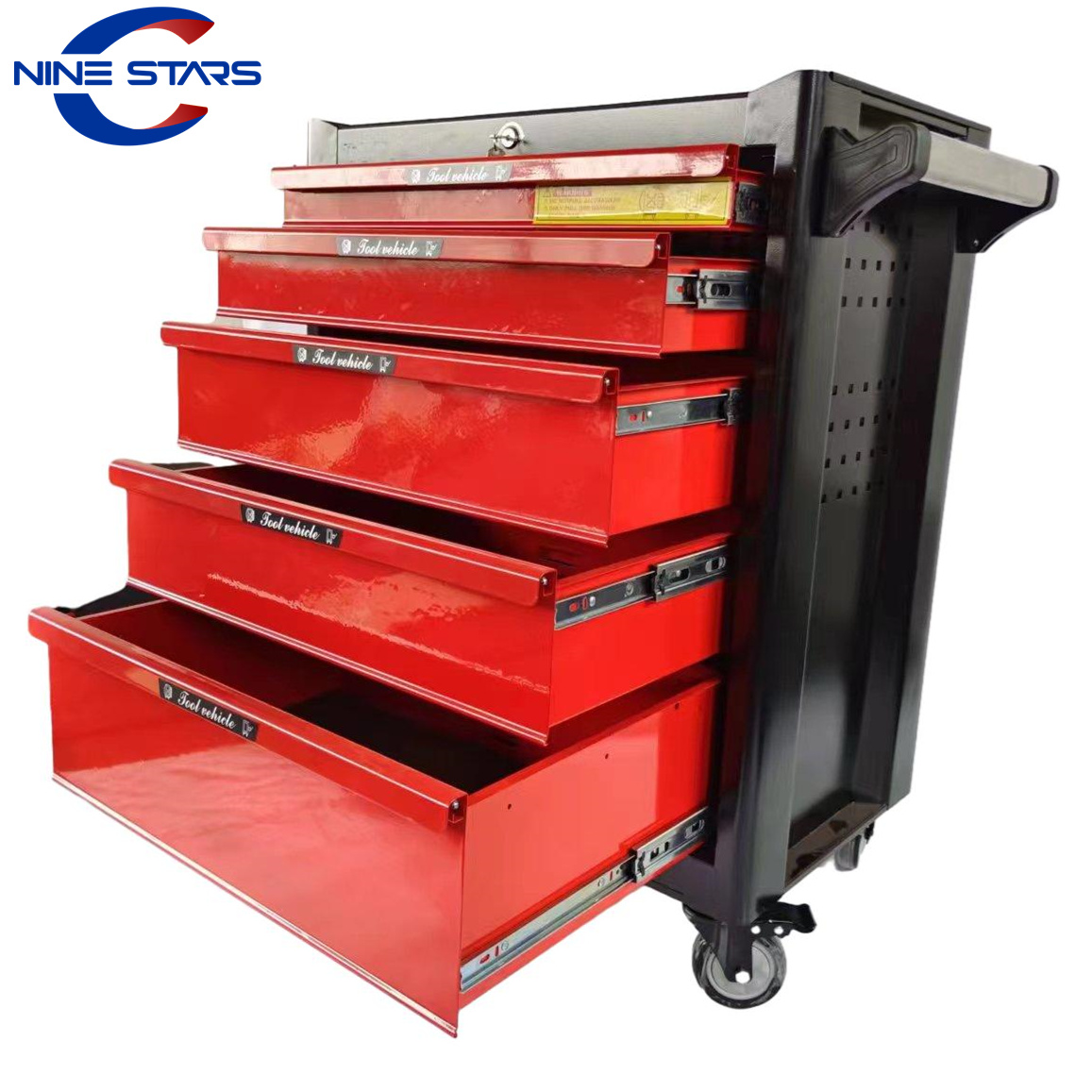
When your collection expands to include multiple power tools, comprehensive socket sets, and specialty automotive tools, it is time to upgrade to rolling tool boxes or large rolling cabinets. These are the heavyweights of tool storage. In my factory, we build these with double-wall steel construction to handle immense weight. A full-size rolling tool cabinet can hold thousands of pounds of gear.
The primary advantage here is volume and organization. With a large cabinet, you can dedicate a specific drawer to a specific type of tool. You might have a shallow drawer just for pliers, lined with a foam organizer, and a deep bottom drawer for your circular saw and drill cases. These units typically come with heavy-duty casters and a lock system, ensuring your expensive tools are secure. For a professional shop or a serious DIY enthusiast, a rolling tool cabinet is the ultimate command center. It essentially replaces the need for a workbench storage shelf and consolidates everything into one durable unit.
Is a Pegboard the Ultimate Wall Organizer for a DIYer?
For keeping things in order visually, nothing beats a pegboard. This is a classic workshop storage solution that utilizes vertical wall space, freeing up your floor and workbench. A pegboard allows you to hang your most frequently used hand tools—like your hammer, saw, and tape measure—right in front of your face. You never have to dig through a drawer to find them.
The beauty of a pegboard lies in its customization. You can arrange hooks and holders in any configuration that suits your workflow. If you buy a new tool, you simply move a hook to make room. It’s an inexpensive solution that can be installed in a weekend. For a beginner, seeing your tools displayed can also help you keep track of inventory; you’ll know immediately if a wrench is missing. While it won't hold your heavy power tools or tiny screws as well as a cabinet, it is the perfect companion to a tool workbench.
Can Magnetic Strips Keep Your Small Hand Tools Within Easy Reach?
Similar to the pegboard, magnetic strips are a sleek, space-saving alternative for specific types of tools. These strong magnetic bars can be mounted to a wall, the side of a tool cabinet, or even the front of a workbench. They are incredibly effective for holding ferrous metal items like knives, scissors, wrenches, and screwdrivers.
I often recommend magnetic storage for the "grab-and-go" tools. If you are constantly reaching for a specific screwdriver, sticking it to a magnetic strip saves you the seconds it takes to open a drawer. It also keeps the blades of sharp tools from getting dull by banging against other tools in a tool box. However, relying solely on magnetic strips isn't practical for a whole shop; they can't hold non-magnetic items, heavy tools, or bulk items. But as an add-on organizer, they make a world of difference in efficiency.
How Effective is a Bucket Boss for a Beginner on a Budget?
You might have seen this on a job site: a standard 5-gallon plastic bucket wrapped in a fabric organizer with dozens of pockets. This is often called a "Bucket Boss" (though that's a brand name, the style is generic). For a beginner or someone working on a budget, this is a surprisingly effective tool box alternative. It turns a cheap bucket into a portable tool carrier.
The center of the bucket remains open for larger tools like a drill, extension cords, or a hammer, while the exterior pockets hold your small hand tools, pencils, and pliers. It’s incredibly durable and water-resistant. If you are doing gardening or plumbing, where things might get wet or dirty, a bucket is easier to clean than a metal chest. It’s not the most professional look for a high-end client meeting, but for pure functionality and low cost, it’s hard to beat. You can even get these cheaply or second-hand on sites like Craigslist.
Do Plastic Bins and Organizers Help with Small Parts?
One area where standard tool boxes fail miserably is storing small consumables. If you throw a handful of screws, nuts and bolts, and nails into a big box, you end up with a useless jumble. This is where plastic bin organizers and divider boxes come in. These are essential for storage solutions regarding small parts.
Clear plastic organizers with adjustable dividers allow you to sort your hardware by size and type. You can see exactly what you have without opening the lid. For a workshop, wall-mounted panels with hanging plastic bins are fantastic. You can take a single bin of screws to your work area and then hang it back up when you're done. In my factory, we use similar systems on the assembly line. Keeping things in order at the micro-level saves hours of frustration over the course of a year. You should store these bins on shelves or inside a one-drawer tool cabinet to keep them dust-free.
Modular Systems: Is Stackable Storage the Future?
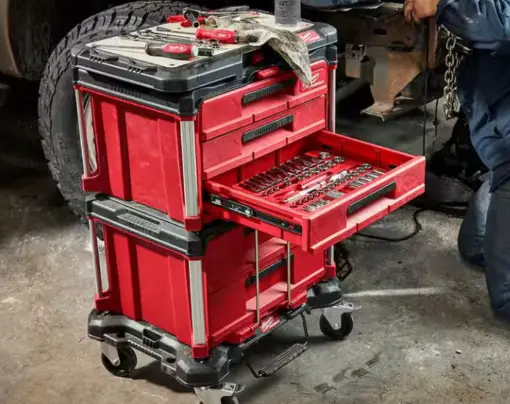
In recent years, brands like Milwaukee (Packout) and DeWalt have popularized modular tool storage systems. These are essentially heavy-duty, interlocking plastic boxes that stack on top of a rolling tool base. You can mix and match components: a deep bin for power tools at the bottom, a drawer unit in the middle, and a small parts organizer on top.
These systems are excellent for contractors who need to transport a specific "kit" to a job site. You can leave the plumbing tools in the truck and just unclip the electrical stack. While they are made of plastic, it is high-impact, durable resin. For a DIY enthusiast who takes their tools on the road or has limited storage space, these modular systems offer the protection of a tool box with the versatility of a cart. They are a significant upgrade from throwing everything in a duffel bag.
Choosing the Right Tool Storage: What Factors Matter Most?
Choosing the right tool storage depends on your specific needs. There is no single best tool box for everyone. When I talk to Mark about what to stock in his store, we look at three main factors:
- Mobility: Do you work in one spot (get a cabinet or pegboard) or move around (get a cart or tool bags)?
- Volume: Do you have a few essential tools (get a small box or bucket) or a massive collection (get rolling cabinets)?
- Space: Do you have a large garage or a small apartment closet? Floor space is valuable.
If you have a dedicated workshop, a combination of a mobile 5-drawer tool cabinet and a wall pegboard is often the gold standard. This gives you secure, dust-free storage for expensive items and quick access to daily tools. For those just starting, don't feel pressured to buy a massive setup. Start with a good tool bag or a small cart, and let your storage grow with your skills.
Key Takeaways
Finding the right alternative to a standard toolbox can revolutionize how you work. It’s about matching the storage to the user.
- Assess Your Mobility: If you move often, tool bags or modular rolling systems are superior to heavy metal boxes.
- Embrace the Cart: A tool cart is the best friend of the active DIYer or mechanic, offering a blend of storage and workspace.
- Go Vertical: Use pegboards and magnetic strips to clear off your workbench and keep frequently used items visible.
- Secure the Heavy Stuff: For large collections of power tools, nothing beats the security and capacity of rolling tool boxes or cabinets with a lock.
- Organize the Small Stuff: Use bins and dividers for nuts and bolts; never let them float loose in a large drawer.
- Start Simple: A bucket boss is a legitimate, effective start for a beginner. You can always upgrade later.
Post time: 12-17-2025