
Hello, I'm Allen. For over two decades, my factory in China has been the backbone for many major tool brands in the USA, Europe, and Australia. I oversee seven production lines dedicated to creating the best tool boxes, trolleys, and kits on the market. I’ve worked with hundreds of procurement officers like Mark Thompson—professionals who know that a tool is only as good as the steel it's made from and the precision with which it's cast.
One of the most fundamental tools we include in our kits is the socket wrench. It is the workhorse of the automotive and construction industries. Yet, despite its popularity, many people don't utilize the full potential of their socket set. This article is worth reading because I’m going to take you inside the mechanics of this tool. I’ll explain exactly using a socket correctly, how to choose the right pieces, and why quality matters. Whether you are stocking a hardware store or equipping a fleet of service vehicles, understanding these basics ensures you get the best equipment for the job.
What is a Socket Wrench and How Does it Differ from a Standard Spanner?
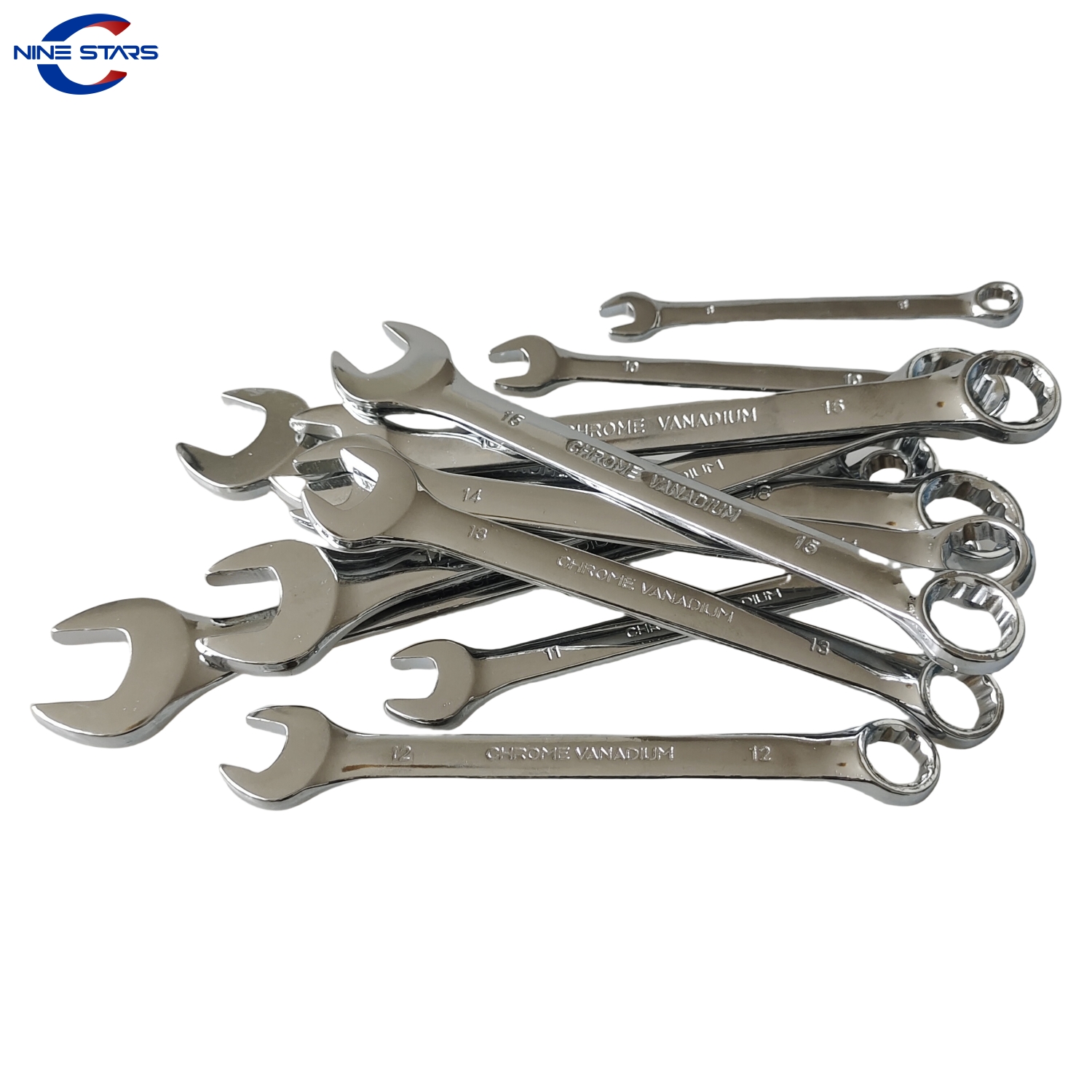
A socket wrench is a type of turning tool that uses a separate, removable socket to grip a nut or bolt. Unlike a standard open-end spanner, which grips the fastener on only two sides, a socket creates a full enclosure around the head of the fastener. This is a crucial difference. Because the socket grips all the corners (usually six or twelve) of the hex head, it allows you to apply much more force without the risk of the tool slipping off and rounding the edges of the bolt.
The term "socket wrench" usually refers to the combination of the handle (often a ratchet) and the socket itself. A traditional spanner requires you to lift the tool off the nut, reposition it, and turn again. This is slow. A socket wrench, particularly one with a ratcheting mechanism, stays connected to the fastener. You simply move the handle back and forth. This efficiency is why sockets and socket handles are the primary tools used in automotive repair shops and manufacturing lines. In my factory, we ensure every spanner and socket meets international torque standards to guarantee safety and performance.
What Are the Essential Components of a Standard Socket Set?
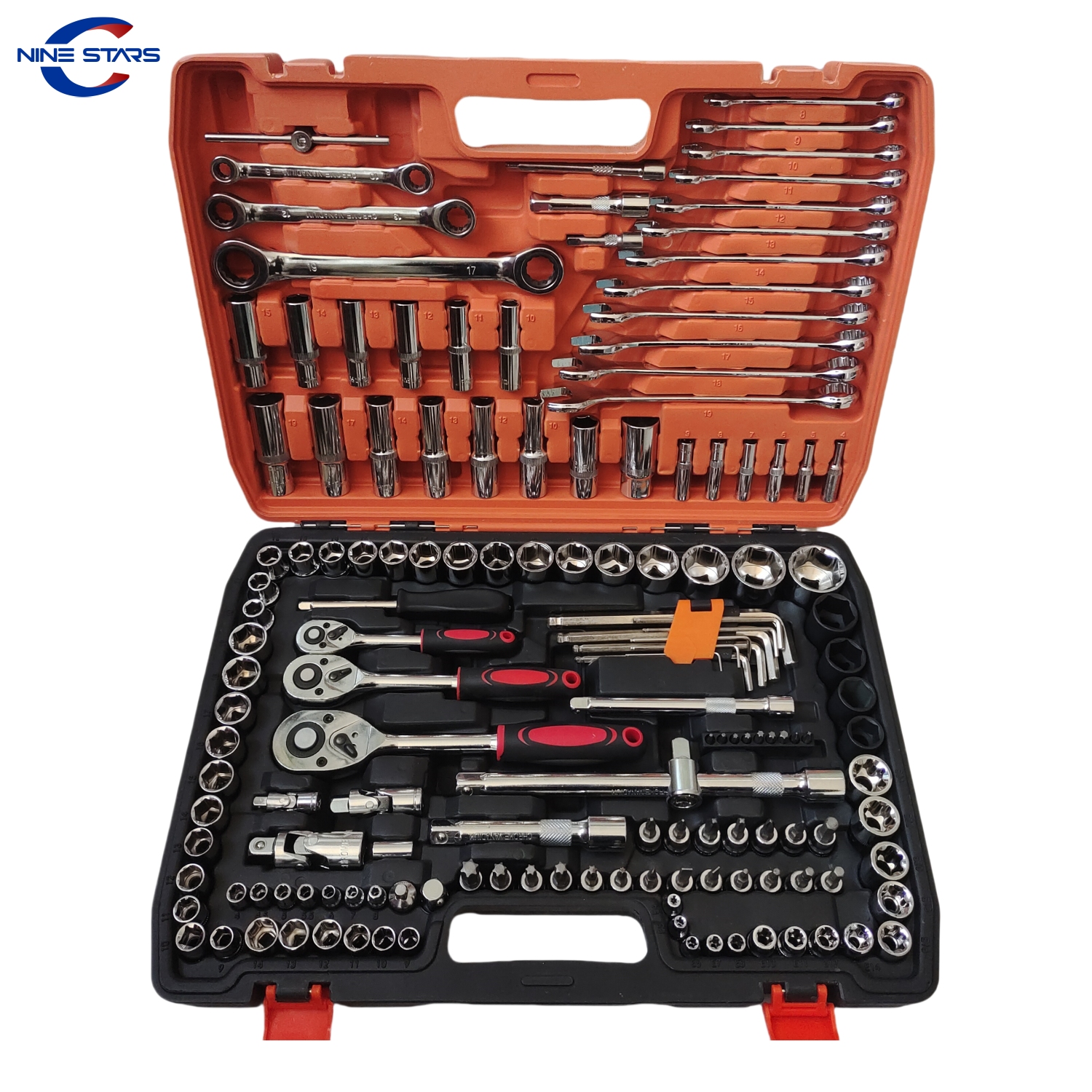
When you open a professional socket set, you are looking at a system of interchangeable parts. The heart of the system is the ratchet handle. This is the lever you hold. On one end of the ratchet, there is a square nub called the square drive. This drive connects to the socket. The socket itself is a metal cylinder. On one end, it has a square hole that snaps onto the ratchet's drive. The other end contains the recessed shape (usually hexagonal) that fits over the nut.
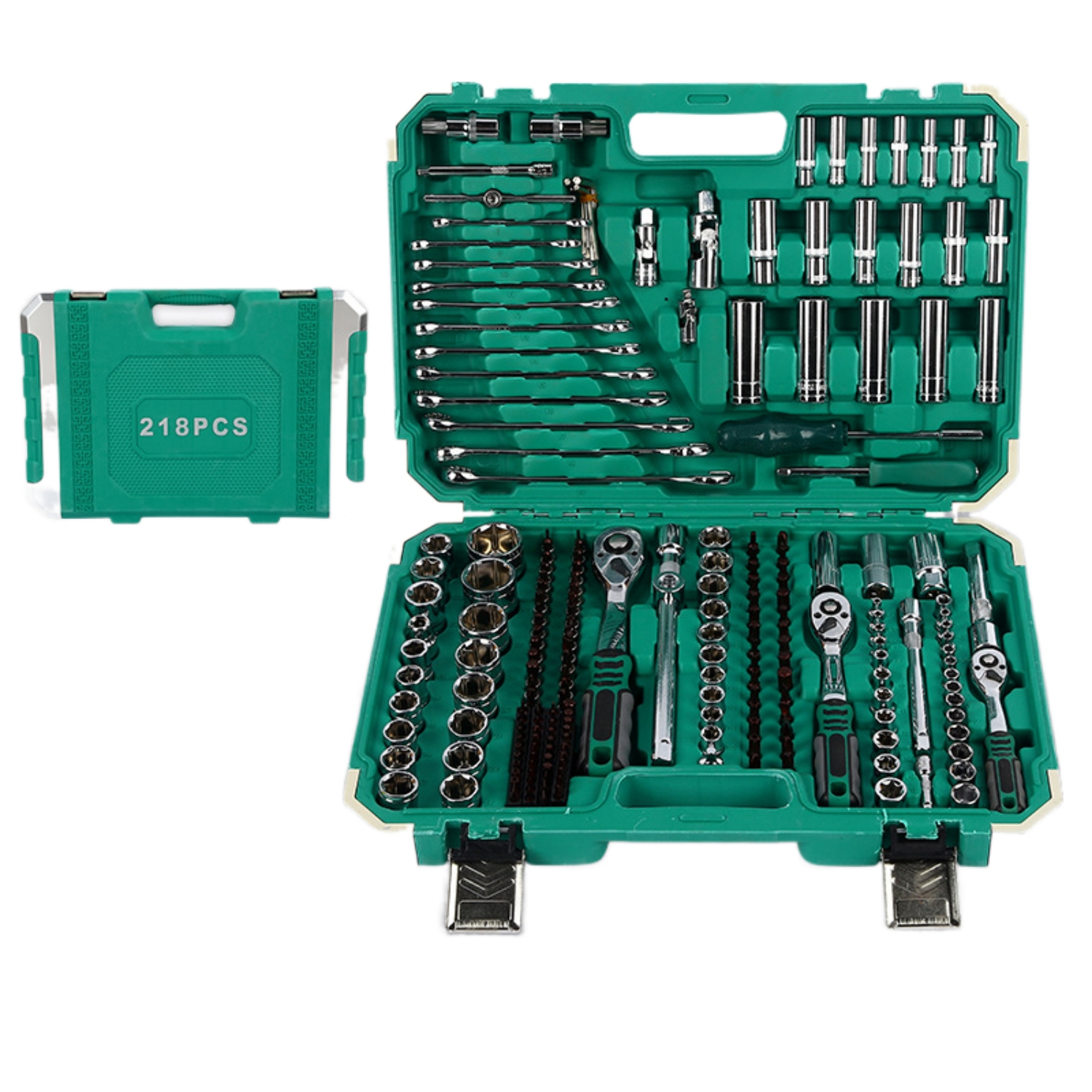
A good socket set will include a wide variety of socket sizes to handle different nuts and bolts. You will typically find standard sockets, deep sockets for long bolts, and spark plug sockets. Most sets also include a "breaker bar." A breaker bar is a long, non-ratcheting handle used to break loose incredibly tight fasteners that might damage the delicate gears inside a standard ratchet. Knowing the anatomy of your socket set is the first step to mastering using a socket.
How Do You Determine the Correct Drive Size for Your Ratchet?
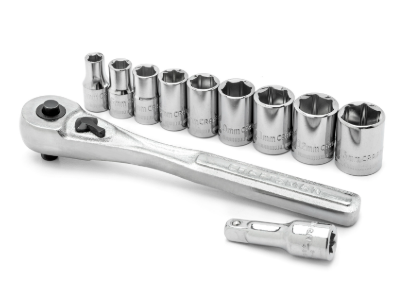
The drive size refers to the size of the square nub on the ratchet and the corresponding square hole on the socket. These are almost always measured in inches, even in countries that use the metric system for the nut or bolt size. There are three common drive sizes you will find in a toolbox:
- 1/4-inch Drive: These are for small, low-torque applications. You use these for interior car trim, small electronics, or precision work. The socket sizes in this group are usually small.
- 3/8-inch Drive: This is by far the most common and versatile size. If you were to buy just one ratchet, this is the one. It handles the majority of automotive maintenance tasks, like changing oil or spark plugs. It offers a good balance of leverage and compact size.
- 1/2-inch Drive: This is for heavy-duty work. When you need to remove lug nuts from a wheel or work on suspension components, you need the strength of a 1/2-inch drive. The ratchet handle is longer, providing more leverage to loosen stubborn bolts.
We also produce 3/4-inch and 1-inch drives, but these are generally for heavy industrial machinery and semi-trucks, which are less common for the average user. Choosing the correct drive size ensures you don't snap a small tool on a big job.
Metric vs. SAE: How to Choose the Right Socket for the Nut or Bolt?
One of the biggest frustrations for anyone using a socket is grabbing one that almost fits, but not quite. This usually happens because of the difference between Metric and SAE (Society of Automotive Engineers) sizing. Metric sockets are measured in millimeters (mm). They are the standard for virtually all modern imported and domestic vehicles, as well as most machinery produced today. SAE sockets are measured in inches (e.g., 1/2", 9/16"). These are commonly found on older American cars, some construction equipment, and household appliances in the US.
You must ensure the socket is fitting the nut perfectly. A 13mm socket is very close to a 1/2-inch socket, but they are not identical. If you use a loose-fitting socket, you will likely strip the corners of the fastener, making it impossible to remove. A comprehensive socket set will include a full range of both Metric and SAE sizes. In our manufacturing process, we clearly stamp or laser-etch the size on every socket so you can identify the size of the nut you need quickly.
Step-by-Step: How to Properly Attach the Socket and Use a Socket Wrench?
Using a socket correctly is about safety and efficiency. Here is the process we recommend to all our users:
- Select the Size: Test the socket head on the fastener by hand. It should slide on easily but have very little "wiggle" room.
- Attach the Socket: Take your ratchet or wrench handle. Line up the square drive with the hole in the socket. Push them together until you hear or feel a click. This is the ball detent engaging, which holds the socket in place.
- Set Direction: On the back of the ratchet head, there is a lever or dial. Flip it to set the direction. Remember the rule: "Righty-tighty, Lefty-loosey." Set it to clockwise to tighten and counter-clockwise to loosen.
- Engage the Nut: Place the socket on the nut. Ensure it is seated fully down to the base of the fastener.
- Apply Force: Pull the handle towards you. It is always safer to pull than to push. If the nut breaks loose suddenly while pushing, you might smash your knuckles.
- Rotate: Swing the handle. The ratchet will drive the socket in one direction and click freely in the other, allowing you to turn the nut without removing the tool.
How Does the Ratcheting Mechanism Make Work Quicker and Easier?
The ratcheting mechanism is what makes the socket wrench such a brilliant invention. Inside the ratchet head, there is a toothed gear and a spring-loaded pawl. This simple yet ingenious configuration allows the handle to engage the drive in one direction while slipping over the teeth in the opposite direction.
Before the ratchet, you had to use a spanner. To turn a bolt in a tight engine bay, you would turn it a few degrees, pull the tool off, realign it, put it back on, and turn again. It was tedious. With a ratchet tool, you never need to lift the tool off the bolt. You just swing the handle back and forth. This makes tightening and loosening fasteners much faster—often cutting the work time in half. We use high-precision gears in our ratchets, often with 72 teeth or more. A higher tooth count means you only need to move the handle a tiny bit (5 degrees) to engage the next tooth, which is a lifesaver in tight spaces where you have limited access.
When Should You Use an Extension Bar or Adapter with Your Socket?
Sometimes, the nut or bolt is buried deep inside a machine or positioned where the ratchet handle can't swing without hitting something. This is when you need an extension bar. An extension is a simple steel bar that fits between the ratchet and the socket. It extends the reach of the tool, moving your hand away from obstructions. Extensions come in various types and lengths, from short 3-inch bars to long 20-inch bars.
An adapter is another useful accessory. It allows you to mix drive sizes. For example, if you have a 1/2-inch drive ratchet but need to use a small 3/8-inch drive socket, a reducer adapter will bridge the gap. There are also universal joints (often called swivel sockets) that allow the socket to pivot at an angle. This allows you to attach to fasteners that are not perfectly straight in front of you. These accessories make difficult to reach places accessible, ensuring you can loosen nuts and bolts anywhere.
What is a Torque Wrench and When Is It Better Than a Standard Ratchet?
A standard ratchet is great for general assembly and disassembly, but it doesn't tell you how tight the fastener is. For critical jobs, like tightening cylinder heads or wheel lug nuts, you need precision. This is where a torque wrench comes in. A torque wrench looks like a ratchet, but it has a calibrated internal spring mechanism.
You set the specific torque amount (measured in foot-pounds or Newton-meters) on the handle. When you tighten the bolt and reach that setting, the wrench will "click" or beep, and you will feel a release in the handle. This tells you to stop. Using a torque wrench prevents you from over-tightening, which can stretch or snap bolts, or under-tightening, which can cause parts to fall off. While you can use a regular socket wrench to snug things up, you should always finish critical jobs with a torque wrench. It uses the same standard sockets as your regular ratchet.
Deep vs. Shallow: Which Socket Type Fits the Fastener Best?
Sockets come in two main lengths: shallow (standard) and deep. A shallow socket is compact. It is perfect for getting into tight spots where vertical clearance is an issue. It works great on standard nuts and bolt heads. However, if you encounter a nut that is threaded far down a long bolt, the bolt stud will hit the back of a shallow socket before the socket can fully grip the nut.
This is when you use a deep socket. A deep socket is essentially a longer cylinder. The extra internal space allows the threaded end of the bolt to pass up inside the socket body, allowing the hex opening to reach the nut. Deep sockets are also useful for recessed fasteners, like spark plugs. Another variation is the 6-point vs. 12-point socket. A 6-point socket has a hexagonal shape that matches a standard bolt perfectly. It is stronger and less likely to slip. A 12-point socket is easier to slide onto a bolt in the dark because it has double the positions, but it has less contact area. For stuck or rusty bolts, a 6-point deep socket is usually the best choice.
How to Maintain Your Wrench and Socket Collection for Longevity?
A good socket set is an investment. With proper care, the tools I manufacture can last a lifetime. The biggest enemies of your tools are moisture and dirt. After using a socket or ratchet, always wipe it down with a clean rag. If the tools are greasy, use a mild degreaser. Never leave your sockets and socket handles sitting in water or damp grass.
Storage is equally important. A messy pile of tools in a bucket leads to lost sockets and damaged gears. Keep your set organized in a dedicated tool kit case or a tool cabinet with drawers. This keeps moisture away and ensures you can always find the right metric sizes. Periodically, you should lubricate your ratchet. A few drops of light machine oil inside the gear mechanism will keep the ratcheting mechanism smooth and prevent it from seizing up. If a socket cracks or shows signs of rounding inside, replace it immediately to avoid injury.
Key Takeaways
Mastering the socket wrench will make your automotive repairs and construction projects significantly easier. It is a powerful system designed for speed and strength.
- Know Your Drive: Match the drive size (1/4", 3/8", 1/2") to the difficulty of the job. Use heavier drives for higher torque.
- Select the Correct Socket: Identify if you need Metric or SAE and choose a socket that fits snugly to avoid stripping the nut.
- Use the Right Type: Switch between deep and shallow sockets depending on the length of the bolt thread.
- Respect the Ratchet: The ratcheting mechanism is for speed. For breaking loose frozen bolts, use a breaker bar to save your gears.
- Organize and Protect: Keep your socket set clean and stored in a proper tool box. A well-maintained set allows the user to work efficiently for years to come.
Post time: 12-10-2025